
Healthy nutrition, exercise, sufficient sleep, and breaks from the often hectic daily routine: You can do a lot for your well-being and health. Your oral health plays an important role in this. Regular prophylaxis at the dentist helps keep your teeth and gums healthy. Modern prophylaxis programs have the advantage that individual risks can be identified and treated in time.
Health begins
in the mouth
Never take inflammation lightly. Because if periodontitis is not detected and treated, you risk your health
On everyone's lips: Biofilm
Simply put, dental biofilm is a community of bacteria that settle on the surface of the teeth and grow there – which is not initially harmful to the body. However, the biofilm can also become pathogenic, namely when it contains inflammation-promoting bacteria. That is why regular biofilm management is an important measure for maintaining your oral health.
Prophylaxis and biofilm management – much more than professional teeth cleaning
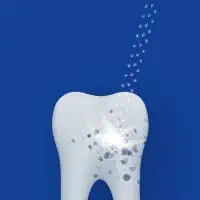
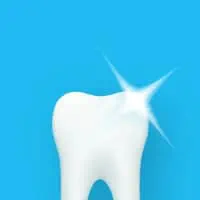
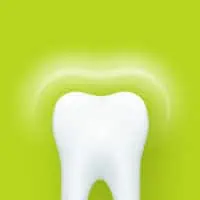
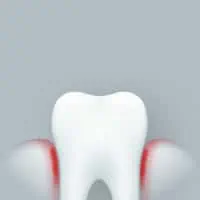
First things first: A prophylaxis session is much more than professional teeth cleaning. Initially, it is important for the dentist to learn everything about your brushing habits, dietary habits, medication intake, alcohol and nicotine consumption, as well as your medical conditions. Furthermore, the pocket depth is measured at each individual tooth. This allows possible diseases to be detected. Based on the findings, we determine the therapy and prophylaxis treatment for you.
PROPHYLAXIS
How the treatment works
Dental care and
nutrition are important
You can do a lot for your dental health yourself. This definitely includes regular and thorough dental care. Because if there is no bacterial plaque in the mouth, then there is normally no inflammation either – quite simple. It is optimal to brush your teeth twice a day to remove plaque. With dental floss and interdental brushes, you remove plaque between the teeth.
Tooth-healthy nutrition
Nutrition also plays a major role in keeping your teeth and gums healthy. Good for your teeth are plenty of calcium, thorough chewing, and sensible handling of sweets. Because the fact that chocolate & Co. harm the teeth is nothing new: Bacteria convert sugar into acids that attack the enamel, making the tooth susceptible to cavities. However, you do not have to give up sweets entirely: What is decisive for the development of cavities is how often you eat sugary foods. If you eat a bit more of it once a day, for example as dessert, you harm your teeth less than if you constantly snack.



Do you have questions about prophylaxis?
Here you will find answers to the most frequently asked questions about prophylaxis and professional teeth cleaning.
Regular prophylaxis at the dentist helps keep your teeth and gums healthy. Modern prophylaxis programs have the advantage that we can identify individual risks in time and act accordingly.
A prophylaxis session is much more than professional teeth cleaning. During prophylaxis treatment, we ask you about your brushing habits, dietary habits, medication intake, alcohol and nicotine consumption, as well as your medical conditions. Then we thoroughly examine your oral cavity. Based on the findings, we determine the therapy and treatment for you. Professional teeth cleaning is purely about removing all hard and soft deposits and treating gum pockets and inflammation.
This cannot be answered in general terms, as it depends on a number of factors, such as the amount of dental prosthetics, the effectiveness of your daily oral hygiene, your periodontal history, your age, and your lifestyle and dietary habits. We take all of this into account when determining treatment intervals.
What health consequences can chronic inflammation of the periodontal apparatus have?
You should not take inflammation of the periodontal apparatus lightly, as it can lead to accelerated breakdown of the jawbone and tooth loss. It also increases the risk of diabetes, heart attacks, strokes, pneumonia, or rheumatoid arthritis, as bacteria enter the organism through the bloodstream.
You should not take inflammation of the periodontal apparatus lightly, as it can lead to accelerated breakdown of the jawbone and tooth loss. It also increases the risk of diabetes, heart attacks, strokes, pneumonia, or rheumatoid arthritis, as bacteria enter the organism through the bloodstream.