ABOUT US
Aesthetics
TOOTH PRESERVATION
TEMPOROMANDIBULAR JOINT
DENTAL FIT - NEWS
Home » Jaw Joint
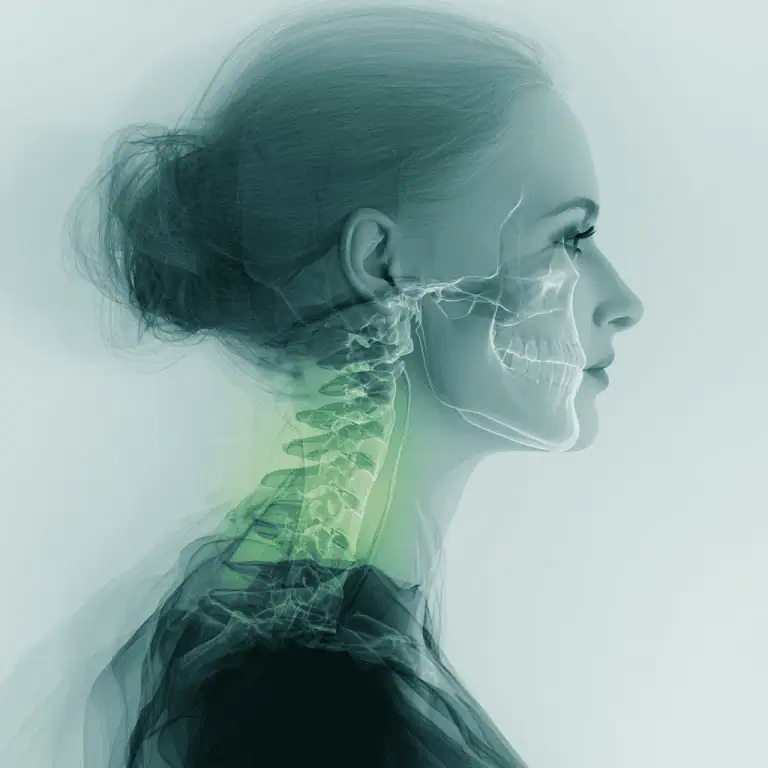
The temporomandibular joint connects the lower jaw to the base of the skull. Together with the muscles, teeth, and nervous system, it controls movements such as chewing, speaking, and swallowing. Disorders often affect areas well beyond the mouth.
Jaw clicking, muscle tension, headaches, or restricted mouth opening may indicate functional imbalances. A differentiated analysis of possible causes is essential.
Symptoms rarely occur in isolation. Occlusion, stress, posture, and muscular factors must be considered together.
The articles explain the relationships surrounding the temporomandibular joint, place symptoms into context, and outline the diagnostic background.